Ferrari 250 GT SWB Berlinetta Competizione 1961, Itália
- Fotografia e Nostalgia

- há 12 horas
- 5 min de leitura














Ferrari 250 GT SWB Berlinetta Competizione 1961, Itália
Fotografia
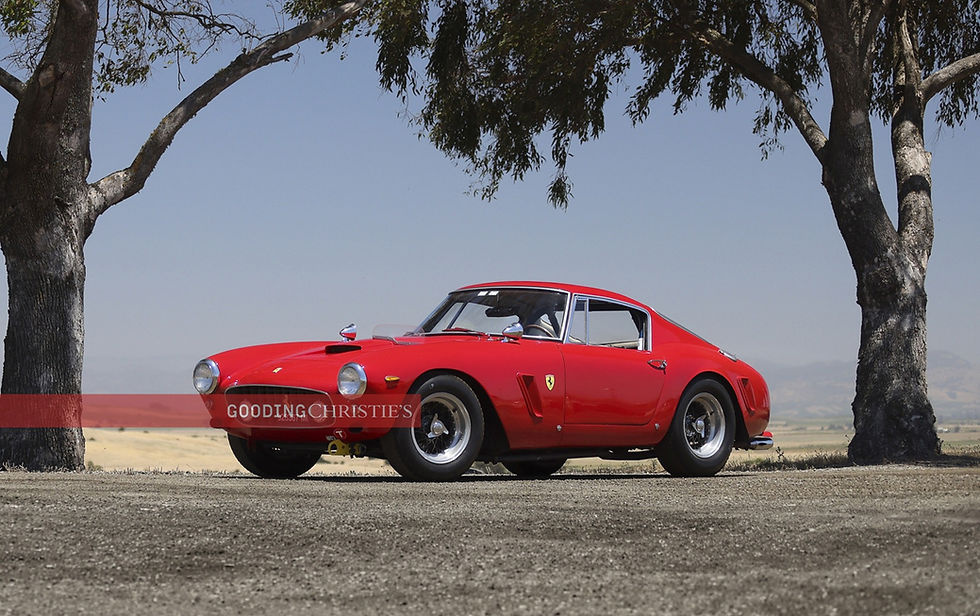
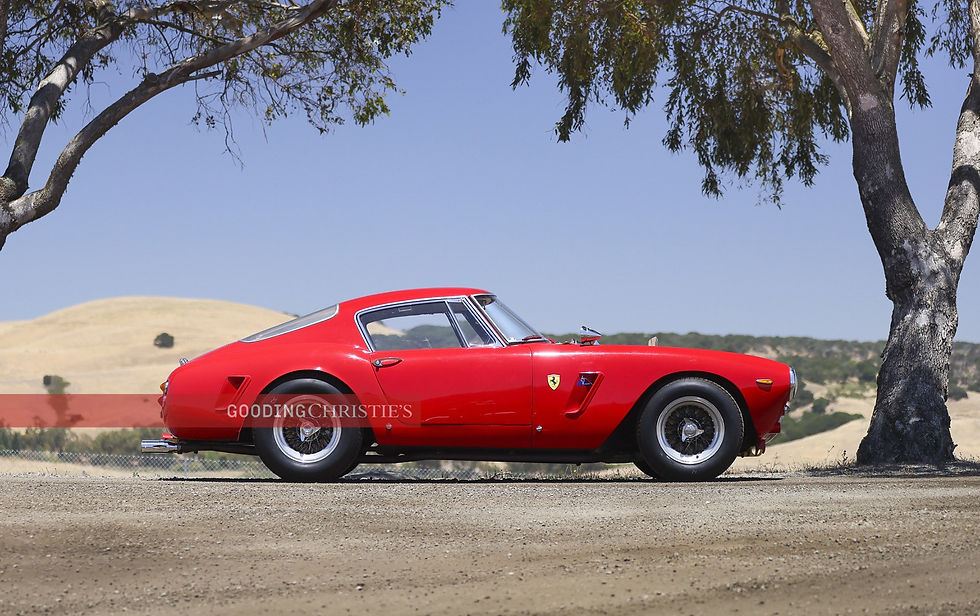
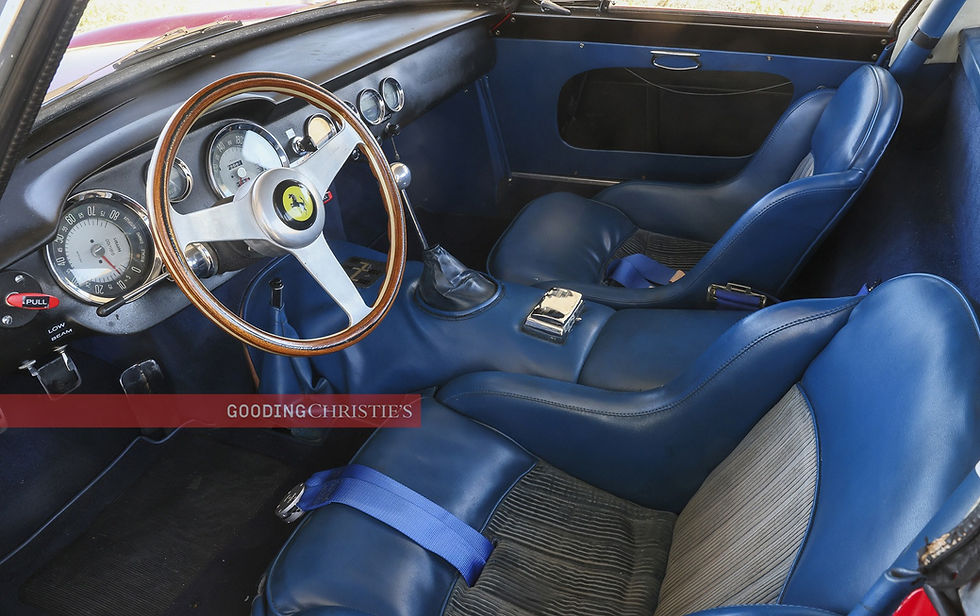
At the Paris Salon in October 1959, Ferrari unveiled a berlinetta that many enthusiasts regard as the finest dual-purpose sports car the company ever produced. The new 250 GT Berlinetta Passo Corto – better known today as the Short Wheelbase, or SWB – combined the civility expected of a grand touring Ferrari with the performance of a thoroughbred competition machine. Designed by Pinin Farina, constructed by Carrozzeria Scaglietti, and built upon a new 2,400 mm-wheelbase chassis developed by Giotto Bizzarrini, Carlo Chiti, and Mauro Forghieri, it possessed a balance, agility, and mechanical sophistication unmatched by its contemporaries. Equally at home on road or track, the SWB quickly established itself as the benchmark against which every other GT car of its generation would be measured.
From the outset, Ferrari offered the model in distinctly different forms. Road-going Lusso examples featured steel coachwork and luxurious interior appointments, while lightweight alloybodied Competizione models were purpose-built for international GT racing. In 1960, approximately 46 Competition Berlinettas were constructed, earning victories throughout Europe and North America and firmly establishing Ferrari’s supremacy in the FIA’s Grand Touring category. Anticipating increasingly determined opposition from Aston Martin, Jaguar, and Porsche for the 1961 season, Ferrari undertook a comprehensive development program that transformed the already formidable SWB into its ultimate evolution. The resulting Comp/61 Berlinettas – known today as the celebrated “SEFAC Hot Rods” – were the final and most uncompromising expression of the model before the arrival of the legendary 250 GTO.
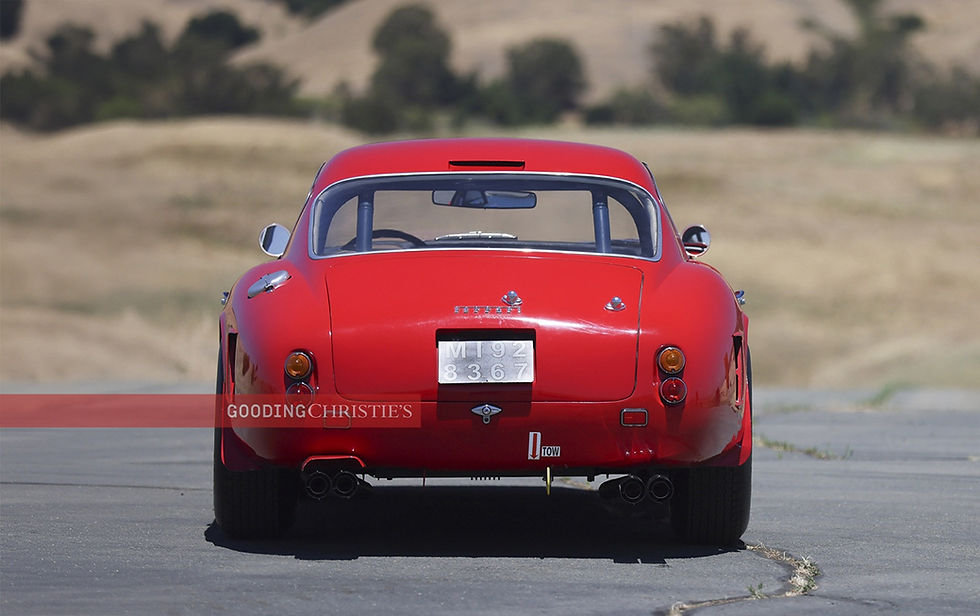
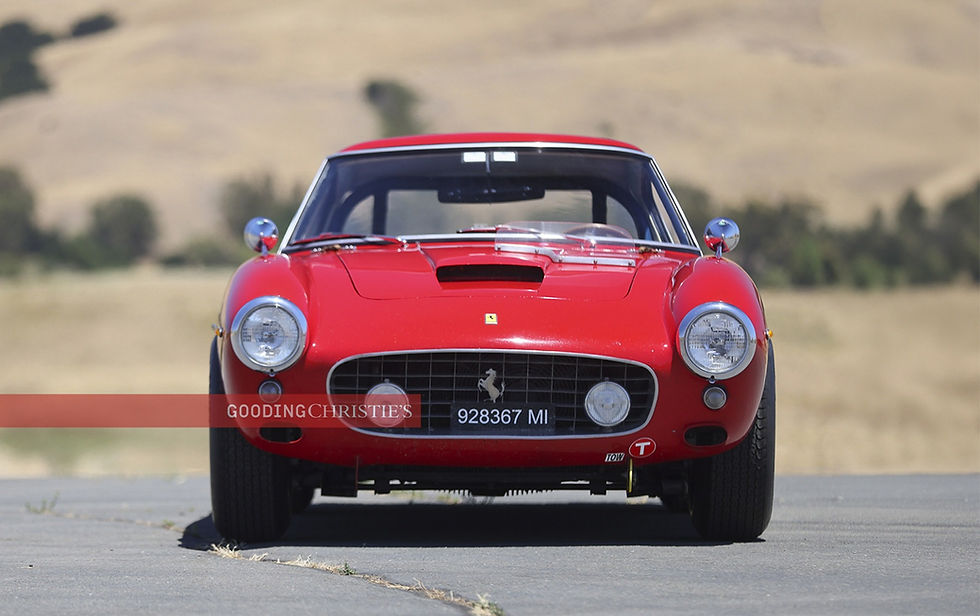
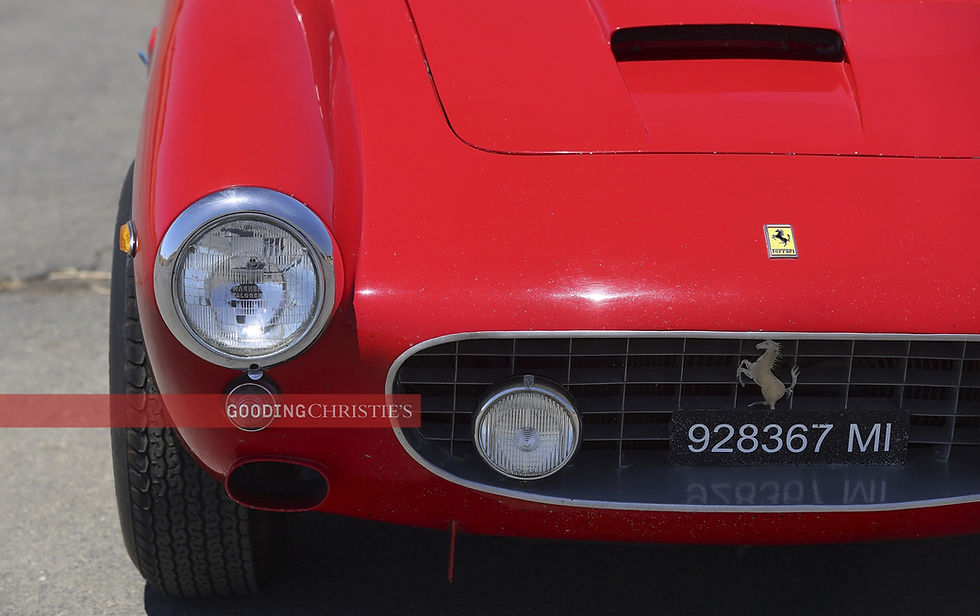
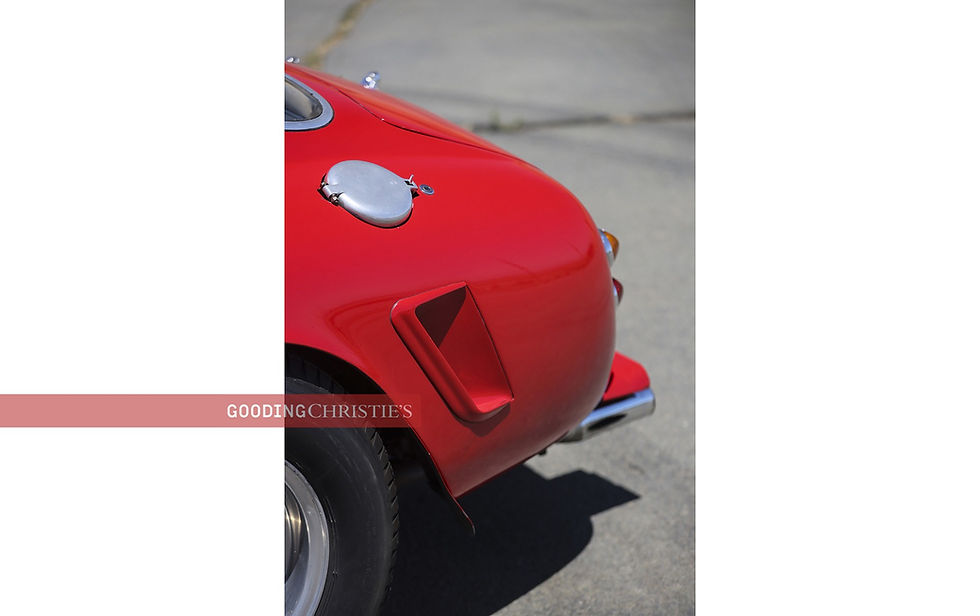
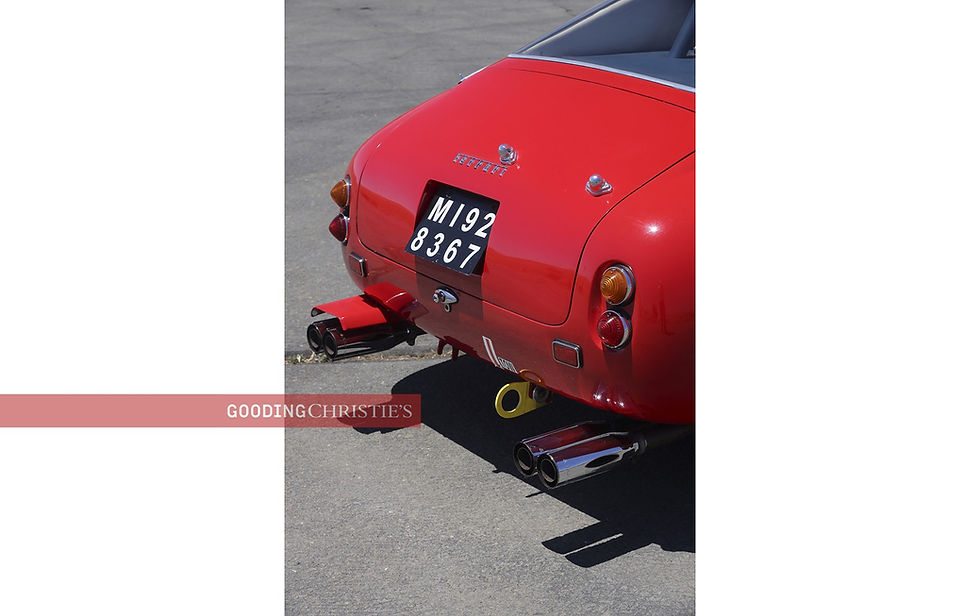
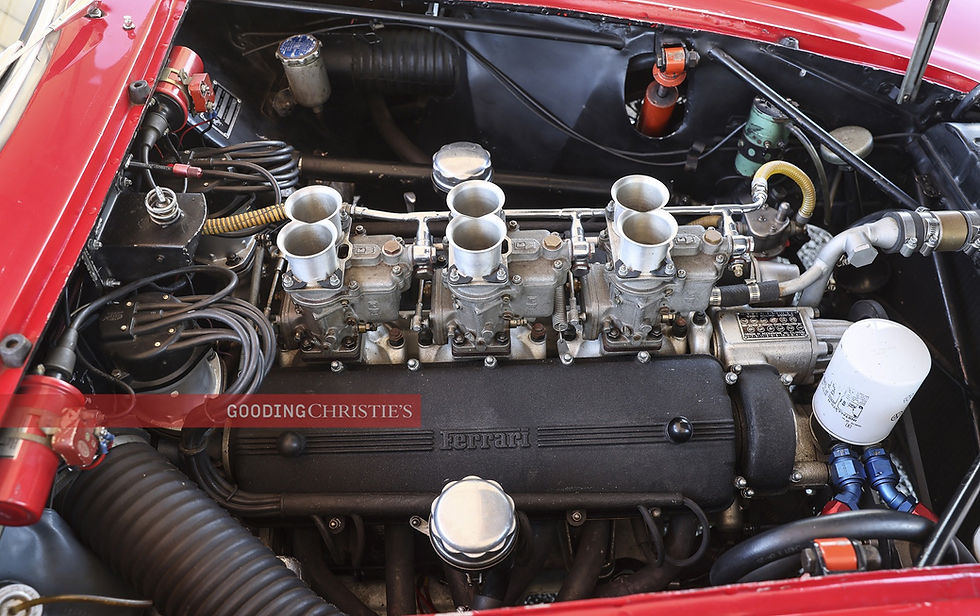
Although outwardly similar to earlier competition berlinettas, the Comp/61 benefitted from myriad upgrades and refinements. A lighter Tipo 539/61 chassis featured thinner-gauge tubing and revised suspension geometry, while the hand-formed aluminum body was fashioned from even lightergauge alloy and equipped with an external quick-fill fuel cap. Beneath the bonnet lay Ferrari’s latest Tipo 168/61 V-12, distinguished by Testa Rossa-type cylinder heads, enlarged valves, high-lift camshafts, and magnesium castings. Breathing through three Weber 46 DCF carburetors and SNAP exhaust extractors, it produced approximately 280 horsepower in a car weighing little more than 2,000 pounds. The Comp/61 represented the pinnacle of the model’s development and, in both philosophy and specification, laid the mechanical foundation for the legendary 250 GTO that would follow scarcely a year later.
Among these exceptional 250 SWB Berlinettas, chassis 2701 GT occupies a particularly distinguished place. Completed in April 1961, it was one of only two Comp/61s retained by SEFAC Ferrari for factory use rather than immediately delivered to a private customer.
2701 GT made its debut at the official Le Mans Test Weekend, where Ferrari entered the car alongside its latest sports-racing prototypes. Factory drivers Mike Parkes, Fernand Tavano, and Jo Schlesser shared the new Berlinetta, recording the fastest GT time of the meeting – more than 20 seconds quicker than a privately entered Aston Martin DB4 GT Zagato – and confirming the remarkable pace of Ferrari’s latest competition machine.
Late in the test, however, the Berlinetta sustained significant accident damage with Schlesser at the wheel. Returned to Maranello, chassis 2701 GT was comprehensively rebuilt by the factory before being released later that summer to its first private owners – brothers Carlo and Massimo Leto di Priolo of Milan. Accomplished sportsmen with interests extending from offshore powerboat racing to motorsport, the brothers were among Italy’s leading privateers of the 1950s and 60s, campaigning a succession of Fiats, Alfas, and Ferraris – including a 14-louvre 250 Tour de France – in major circuit races, hill climbs, and endurance events throughout the country, often under the Scuderia Ambrosiana banner. Registered in Milan as “MI 928367,” chassis 2701 GT remained in their care for several years, although no record of specific race entries under their ownership has been found.
In 1964, the SWB passed to German enthusiast Hans Günter Perle-Lex before being acquired three years later by Egon Hofer of Salzburg, Austria. A talented amateur racer, Hofer immediately returned the Comp/61 to active competition, capturing class victories at both the Weerberg and Gaisberg hill climbs before entering the 1967 Targa Florio. Still wearing its original Milan registration, chassis 2701 GT was shared by Hofer and American driver Anatoly Arutunoff in this classic Sicilian road race. Although mechanical trouble curtailed the effort, the appearance added yet another important chapter to the Ferrari’s period competition history.
Following the Targa Florio, the Berlinetta’s original engine was repaired and sold separately to Ferrari enthusiast Tom Meade. The car itself was subsequently acquired by Anatoly Arutunoff and imported to the United States, where it passed through the hands of several knowledgeable enthusiasts during the 1970s. Like many historic Ferraris, it continued to evolve in the interest of keeping it active and competitive, at one point even receiving an American V-8 engine. Such modifications reflected an era when yesterday’s racing cars were valued primarily for their performance rather than their historical significance.
Its fortunes changed dramatically in 1981 when it was acquired by noted collector Brian Brunkhorst, whose appreciation for Ferrari’s most significant competition models ensured that 2701 GT received the careful restoration its importance deserved. Brunkhorst commissioned respected marque specialist Wayne Obry to undertake a comprehensive restoration, with the mechanical components expertly rebuilt by Rick Bunkfeldt. Completed in 1983, the project returned the Berlinetta to correct Comp/61 specification using a period 250 GTE engine, no. 4039, which remains installed today.
Since its restoration was completed in 1983, the Berlinetta has spent more than four decades in the collections of just two prominent Ferrari enthusiasts. Michael Leventhal first owned and campaigned the car for approximately 15 years before it passed to Ned Spieker, under whose ownership it became a familiar sight at many of the world’s premier historic motoring events. Numerous appearances at the Tour Auto, Goodwood Revival, Le Mans Classic, Ferrari Maserati Historic Challenge, Cavallino Classic, and several editions of the Monterey Historics demonstrated that the Comp/61 remained exactly what Ferrari had intended more than six decades earlier: a fast, reliable, and immensely rewarding dual-purpose competition machine.
Today, chassis 2701 GT represents a rare opportunity to acquire one of Ferrari’s ultimate competition berlinettas. As one of just 20 Comp/61 “SEFAC Hot Rod” models, it marks the final and most highly developed evolution of the legendary 250 GT SWB – a car whose uncompromising specification provided the direct mechanical and philosophical bridge to the iconic 250 GTO.
Its history is equally compelling. Factory-prepared for the 1961 season, it debuted at the Le Mans Test Weekend in the hands of Mike Parkes, Fernand Tavano, and Jo Schlesser before continuing its competition career in Italy and Austria, including an appearance at the legendary Targa Florio. Cherished and enjoyed as intended by some of the most respected names in Ferrari collecting, it has remained an active participant in many of the world’s premier historic motoring events, including the Goodwood Revival, Le Mans Classic, and Tour Auto.
Whether its next owner continues to enjoy this Ferrari in historic competition or chooses to restore it to concours standards, chassis 2701 GT represents an outstanding example of one of Ferrari’s most revered competition models. For the discerning collector, it offers the desirable combination of exceptional rarity, period competition history, outstanding event eligibility, and a place among the most iconic GT Ferraris ever built. Texto da Gooding Christie's.
Nota do blog: Data 2026 / Crédito para Gooding Christie's.


Comentários